


ETP Newsletter: September 2025

Starting the School Year with a STEM Mindset
The beginning of a new school year is an opportunity to shape how students think, solve problems, and engage with the world. The beginning of the year sets the tone of a classroom or school. Keeping a STEM mindset powerful way to begin the year with success.
A STEM mindset goes beyond it's basic meaning content. It’s about cultivating curiosity, resilience, growth, creativity, and critical thinking. These skills are transferable and reinforce all their studies within the school year
What Is a STEM Mindset?
A STEM mindset is the belief that:
Questions are valuable
Problems are opportunities
Mistakes are part of learning and growing
Collaboration leads to stronger solutions

Students with a STEM mindset understand that there is no simple “correct answer.” They explore, test ideas, revise their thinking, and persist when challenges arise. If successful, they then challenge themselves to improve even further, push their thinking to the next level. Seeing their education with limitless potential knowledge fosters an environment of continuous growth and improvement.
Why It Matters at the Start of the Year
The first weeks of school set the tone for everything that follows. When educators intentionally embed STEM thinking early on, students begin to see themselves as thinkers, creators, and problem-solvers. You don’t need a full robotics lab to promote STEM thinking. Small shifts in daily practice can make a big difference. How can we achieve this? See below:
Reframe how you ask questions.
Instead of “What’s the answer?” try:
“How did you figure that out?”
“What else could work?”
“What might happen if we changed this?”
Celebrate the process, not just the product. Highlight effort, creativity, and persistence. When students understand that mistakes are part of growth, they’re more willing to take risks.
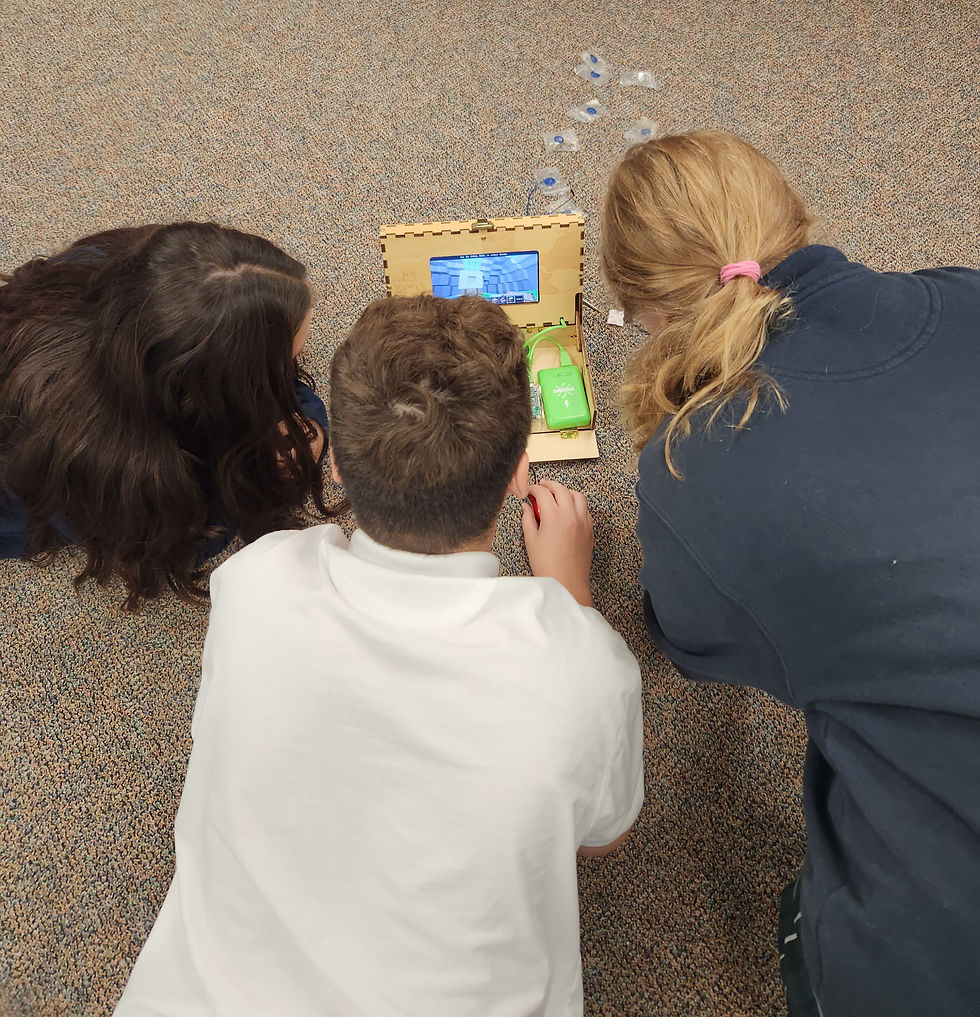
Use real-world challenges .Connect learning to authentic problems—designing a solution for reducing classroom waste, building a bridge with limited materials, or analyzing data about school energy use.
Encourage collaboration. STEM thrives on teamwork. Group projects, peer feedback, and shared problem-solving help students learn from one another and build communication skills.
Supporting Educators Makes the Difference
A strong STEM culture doesn’t happen by accident. It requires educators who are confident with technology, comfortable facilitating inquiry-based learning, and equipped with the right tools and strategies. When schools invest in trained STEM teachers and knowledgeable IT professionals, such as the ones that ETP provides, classrooms are better positioned to create engaging, future-ready learning experiences. Reach out to one of our representatives to ensure your school is ready to start the school year with a STEM mindset.
Secure Starts: Protecting School Networks and Minds
As school IT leaders gear up for a new academic year, prioritizing cybersecurity is essential to protect both networks and the minds they nurture. Implementing a robust cybersecurity awareness program is a proactive approach to safeguard sensitive information. Here are five key steps to building cybersecurity awareness among staff and students:
MFA Rollout: Implement Multi-Factor Authentication (MFA) across all school systems to add an extra layer of security. This measure significantly reduces the risk of unauthorized access, even if passwords are compromised. Educate staff and students on the importance of MFA and how it protects their accounts.
Phishing Awareness: With phishing attacks becoming increasingly sophisticated, it's vital to train staff and students to recognize suspicious emails and messages. Conduct regular workshops and simulations to help them identify red flags, such as unexpected attachments or links, and report potential threats to the IT department promptly.
Least-Privilege Policies: Enforce least-privilege policies to ensure that users have access only to the information and resources necessary for their roles. This minimizes the risk of accidental or intentional data breaches. Regularly review permissions and adjust them as roles and responsibilities change.
Regular Patching: Keep all software and systems up to date with the latest security patches. Establish a schedule for regular updates and communicate the importance of these updates to all users. This practice helps close vulnerabilities that could be exploited by cybercriminals.
Training and Education: Continuous education is crucial for maintaining cybersecurity awareness. Organize regular training sessions, workshops, and seminars tailored to different user groups within the school community. Encourage an open dialogue about cybersecurity challenges and foster a culture of vigilance and responsibility.
By integrating these steps into the school’s cybersecurity strategy, IT leaders can create a secure digital environment that protects both the institution’s data and the well-being of its community members.


Comments